By all accounts, I was an unlikely recruit. I was sixteen years old with enough Aqua Net in my hair to qualify as a weather event. I listened to hair metal. I owned more black eyeliner than any respectable Lutheran girl from northern Minnesota should. My weekends revolved around friends, music, and trying to determine whether my bangs were achieving the appropriate level of vertical lift.
And yet, every Thursday night during my junior and senior years of high school, while other girls were wandering the mall or sitting in bleachers pretending to understand hockey, I was spending two hours at the VFW in West Duluth.
It started with a newspaper ad.
The Gulf War had begun, and somewhere in the back pages of the Duluth News Tribune was a small request for volunteers willing to write letters to local servicemembers deployed overseas. There must have been dozens of more qualified people. Military wives. Retired teachers. Church ladies with excellent penmanship and sensible shoes.
Instead, they got me.
A sixteen-year-old girl with big hair, a Def Leppard cassette in her car, and an inexplicable love of both writing and her country.
Every Thursday, my mom would let me head down to the VFW without a second thought. Looking back, it seems absurd by today’s standards. “Yes, honey, go spend a few hours in a veterans’ bar with a bunch of men who fought in Vietnam. Be home by nine.”
But it wasn’t strange then. Or maybe it was, and we just didn’t know it.
I’d sit at the bar with a Diet Coke while the bartender slid me my weekly stack of names and APO/FPO addresses. Local boys. Someone’s son. Someone’s husband. Someone who had graduated from Denfeld or East High just a few years before me and was now halfway around the world sleeping in the desert.
I wrote about ordinary things.
The weather in Minnesota. How the Vikings were inevitably disappointing us all again. The first snowfall. What music I was listening to. What was happening around town. Nothing profound. Just reminders that home was still here, faithfully waiting.
Eventually, the letters became care packages too. A few cans of shaving cream. Shelled peanuts. Little pieces of home purchased with money from my weekend housekeeping job at a hotel. I wasn’t exactly a philanthropist. Motel vacuuming doesn’t make one wealthy. But I could spare a few dollars for a young man eating MREs in the desert.
Some wrote back.
Some didn’t.
At sixteen, I imagined their silence meant they were busy. At fifty-one, I wonder if they were trying to stay alive. I wonder if they were exhausted. Homesick. Terrified. I wonder if they tucked my letters into duffel bags and read them under poor lighting after difficult days.
I wonder if any of them are grandfathers now.
The VFW became my second home.
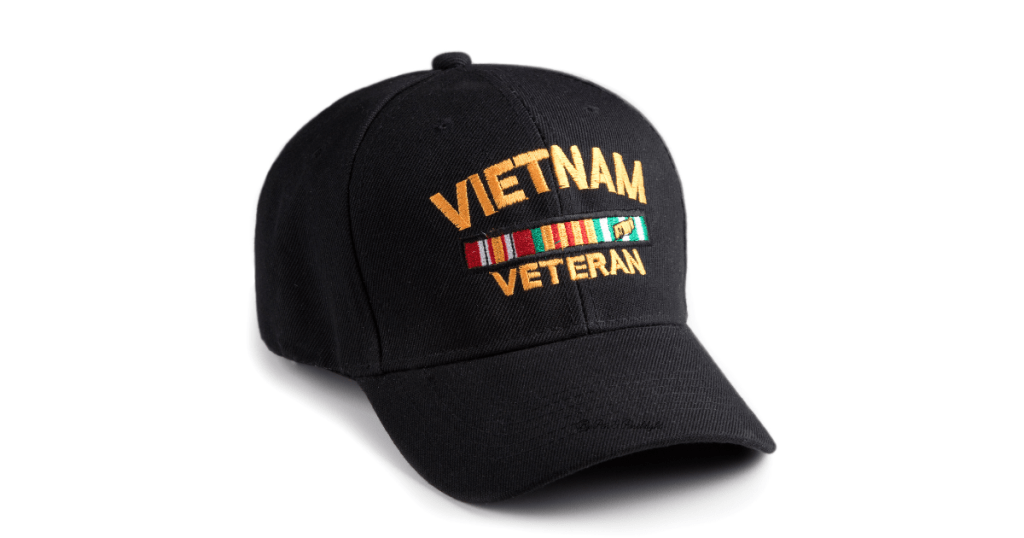
The men there were mostly Vietnam veterans, roughly my parents’ age. They adopted me in the way veterans seem to adopt people who see them as something more than a parade once a year. They called me one of their own, which felt like the highest honor imaginable.
And they were fascinating.
Some were missing limbs.
Others were missing pieces of themselves.
I didn’t have the language for trauma then. I only knew that these men carried a sadness that sat beside them like an old friend. Some had eyes that never quite settled in a room. Others laughed louder than necessary, as though they had learned long ago that silence was dangerous territory.
They had survived jungles.
Some had left parts of themselves there.
There is a particular kind of brokenness that belongs to veterans. Not all of them, but enough. It is the kind that settles into your bones and follows you home in your duffel bag. It sits beside you in bars on Thursday nights and stares quietly out windows during thunderstorms.
At sixteen, I didn’t understand any of that.
I just knew I liked them better than the boys at school.
No offense to the seventeen-year-old boys of northern Minnesota, but there are only so many conversations one can have about hockey statistics and whose Camaro needs a new muffler. Meanwhile, my friends at the VFW had stories.
Real stories.
Stories about jungles and brotherhood and loss. Stories about courage and mistakes and coming home to a country that didn’t always know what to do with them. They were funny and complicated and occasionally inappropriate. They were men who had seen too much and somehow still found reasons to laugh.
Compared to them, Minnesota mullets and varsity jackets felt painfully one-dimensional.
When bracelets with soldiers’ names became available for purchase, I bought one for every servicemember I wrote to. Soon, I had so many that I couldn’t wear them all at once. I’d rotate them daily, carrying these names around my wrist like a litany.
A prayer.
A promise.
A reminder that somewhere, someone was far from home.
Not everyone understood.
High school can be an unforgiving place for people who color outside the lines. At one point, a few classmates dubbed me “Operation Desert Desk,” which, admittedly, is a pretty solid insult for a group of teenagers in the early ’90s.
They meant it as a joke.
I wore it like a badge.
Because here’s the thing I’ve learned after all these years: the people who shape us rarely look the way we expect them to.
Mine looked like Vietnam veterans sitting on barstools in West Duluth.
They looked like young soldiers writing letters back from a desert half a world away.
They looked like men who had lost limbs, and men who had lost sleep, and men who had lost parts of themselves that never made it back across the ocean.
They taught me that stories matter.
They taught me that patriotism isn’t loud. Sometimes it’s quiet. Sometimes it’s a sixteen-year-old girl buying shaving cream with money she earned cleaning hotel bathrooms. Sometimes it’s showing up every Thursday because loneliness is an enemy too.
They taught me to listen.
And if I’m honest, they probably shaped my career long before I ever put “writer” on a business card.
I still love my country. I still tear up during the national anthem when I’m caught off guard. I still have a soft spot for veterans, especially the older ones. The ones whose hats tell you where they’ve been before they’ve ever spoken a word.
I think about those Thursday nights more often now.
About my mom trusting the world enough to let me sit in a VFW bar drinking Diet Cokes with men who became unlikely friends.
About a stack of envelopes with APO addresses.
About a sixteen-year-old girl with big hair and a bigger heart.
And I think maybe “Operation Desert Desk” wasn’t an insult after all.
Maybe it was my origin story.